When memory or focus slips, start with clear answers.
Changes in memory, attention, or mental clarity can be unsettling, for you and the people close to you. We look at what may be contributing, then develop an individualized plan to support how you think and function day to day.
Memory changes can affect more than memory.
Changes in thinking can be subtle at first: a missed appointment, a lost word, a harder time following a conversation. You may be worried about what they mean, or noticing them in someone you love. Whether the changes are new or have built over time, care should start with a clear picture of what is happening.
Memory and recall
Forgetting recent conversations, appointments, or where things are can make everyday life feel less certain.
Focus and clarity
Brain fog, trouble concentrating, or slower thinking can make work, reading, and planning harder.
Words and conversation
Losing track of words or conversations can make social situations more tiring and less enjoyable.
Mood and confidence
Worry about what the changes mean can bring stress, low mood, or pulling back from things you enjoy.
Memory changes deserve a proper look, not just “it’s part of getting older.”
Many things can affect memory and focus, including sleep, mood, medications, blood sugar, and vascular health, and some of them can be addressed. We look for what may be contributing, and we’ll be honest with you about what we think is possible.
A plan built around you.
Memory and thinking can be affected by many overlapping factors. We look at your cognitive symptoms alongside your sleep, mood, medications, labs, and overall health, and coordinate with your doctors, so your plan targets what may be contributing and supports daily life.
Get a clear picture
We review your history, symptoms, medications, and labs, and assess memory and thinking in detail.
Address what contributes
Your plan targets factors that may affect your thinking, such as sleep, metabolic health, or activity.
Track and adjust
We retest memory and function over time and update the plan with you based on how you respond.
Therapies we may combine in your plan.
Changes in memory and thinking have many causes, so we don’t lead with a single therapy. Depending on your assessment, your plan may draw on one or more of these. Some of these uses are off-label. We’ll explain the evidence, and what isn’t known, before you decide.
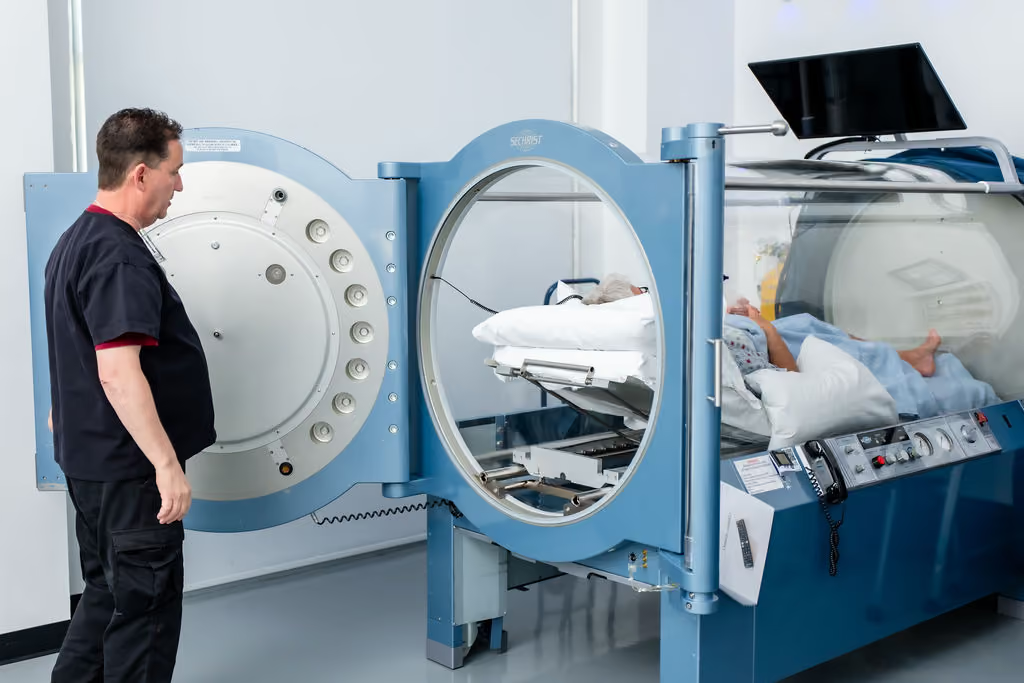
Hyperbaric Oxygen Therapy (HBOT)
Breathing oxygen under pressure raises the oxygen in your blood, and may be used to support brain function.
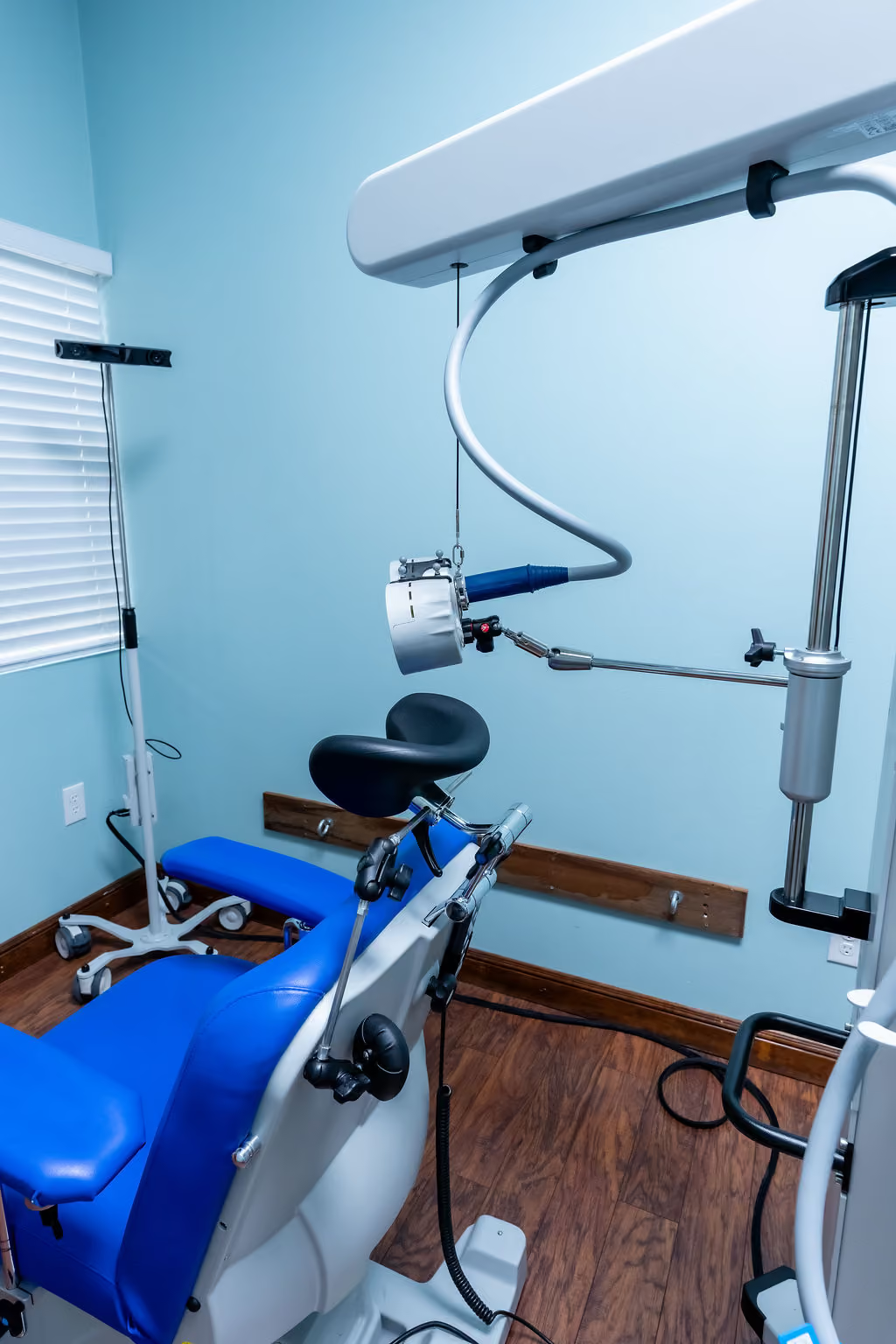
Transcranial Magnetic Stimulation (rTMS)
Focused pulses stimulate targeted brain areas and may be used to support attention, memory, or mood.
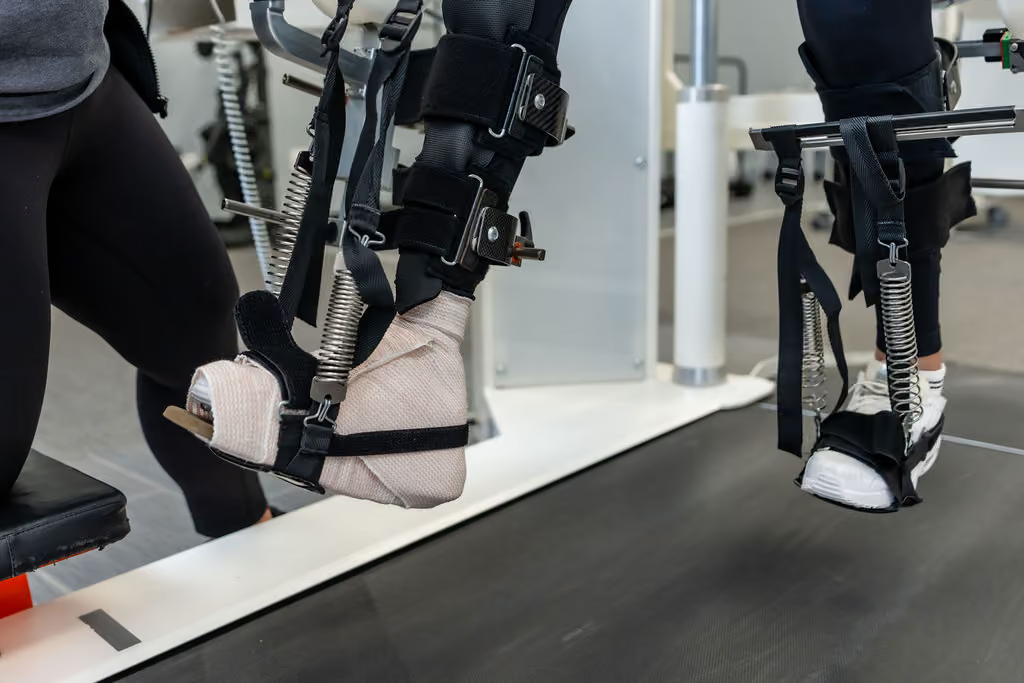
Movement Science & Rehabilitation
Guided exercise for strength, balance, and fitness, which supports overall brain and heart health.

Metabolic Optimization
Labs, nutrition, sleep, and blood sugar, which can all influence how clearly you think and your response to care.
An honest look at fit and expectations.
You may be a good fit if
- You or your family have noticed changes in memory or focus
- You want to understand what may be contributing
- Brain fog has lingered after an illness, such as COVID
- You have been told you have mild cognitive impairment
- You can commit to a structured plan with regular visits
- You are looking for next steps for someone you care for
What to realistically expect
- Progress is usually gradual and looks different for everyone
- Our care does not cure or reverse dementia
- Plans work best with consistent visits and habits at home
- We measure your progress so you can see what is changing
- We tell you plainly if something is not helping
- We work alongside your neurologist and primary care team
Common questions about memory and cognitive care.
How do I know if my memory changes are normal?
Some changes in memory are a normal part of getting older, but others are worth checking. Our assessment looks at memory, attention, and thinking in detail, alongside your health history, so you have a clearer picture of what is going on.
Do you diagnose dementia or Alzheimer’s?
Our focus is understanding what may be affecting your thinking and building a plan to support it. If your assessment suggests a condition that needs specialist diagnosis, we will tell you and help coordinate with your neurologist.
Can you help with brain fog after COVID or another illness?
Lingering brain fog after an illness is common, and sleep, energy, mood, and metabolic health can all play a part. We look at those factors alongside your symptoms and build a plan around how you want to think and function.
Is memory and cognitive care covered by insurance?
Coverage depends on your plan and on which services are part of your care. Some therapies are often covered, while others may not be. We review your options and costs with you before treatment begins, so you can decide with the numbers in front of you.
Can a family member come to appointments?
Yes, and we encourage it. Family members often notice changes first and can help us understand what has changed over time. You are welcome to bring anyone who helps with your day-to-day care.