When a head injury lingers, care that takes it seriously.
Headaches, fogginess, dizziness, fatigue, or mood changes can persist long after a concussion or brain injury, even when scans look normal. We take your symptoms seriously and build a plan around how you want to feel and function.
A brain injury can affect more than you expect.
Symptoms after a concussion or brain injury can be hard to explain, and they may not show up on a scan. You may be dealing with headaches, dizziness, or brain fog, or finding that work, screens, and busy places take more out of you than before. Care should start with how you feel day to day.
Headaches and dizziness
Ongoing headaches, dizziness, balance problems, or sensitivity to light and noise can make ordinary days harder.
Thinking and focus
Brain fog, slower processing, and trouble concentrating or finding words can affect work, school, and conversation.
Sleep and energy
Poor sleep and fatigue that rest doesn’t fix can lower how much activity, screen time, or socializing you can manage.
Mood and confidence
Irritability, anxiety, or low mood often follow a brain injury and can make it harder to feel like yourself again.
Normal scans don’t mean your symptoms aren’t real, or that you can’t improve.
Many brain injuries don’t show up on standard imaging, and “give it time” isn’t a plan when months have passed. Lingering symptoms deserve a careful look, and we’ll be honest with you about what we think is possible.
A recovery plan built around you.
Brain injuries affect people in very different ways, and symptoms often overlap. We look at how your injury has affected your thinking, balance, sleep, mood, and daily life, not only the loudest symptom, so your plan targets what is actually holding you back.
Understand what’s going on
We review your injury, your symptoms, past scans and treatment, and how your days are different now.
Focus on what matters to you
Your plan works toward goals you care about, such as returning to work, driving, exercise, or screens.
Adjust as you improve
We retest along the way and change the plan based on how your symptoms and function respond.
Therapies we may combine in your plan.
Brain injuries affect each person differently, so we don’t lead with a single therapy. Depending on your assessment, your plan may draw on one or more of these. Some of these uses are off-label. We’ll explain the evidence, and what isn’t known, before you decide.
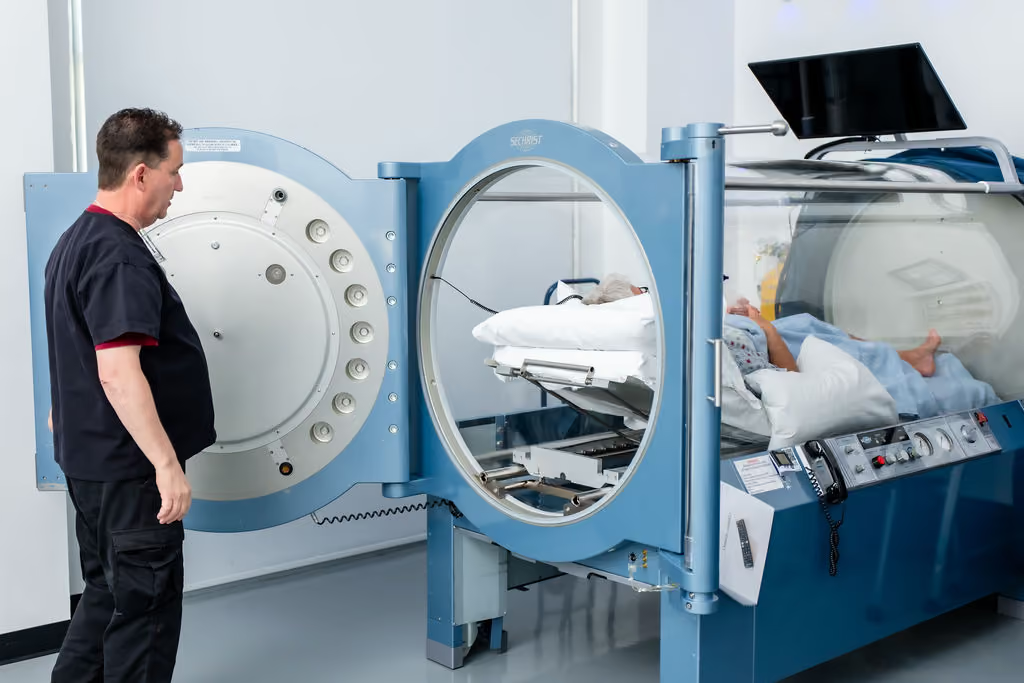
Hyperbaric Oxygen Therapy (HBOT)
Breathing oxygen under pressure raises the oxygen in your blood, and may be used to support healing after a brain injury.
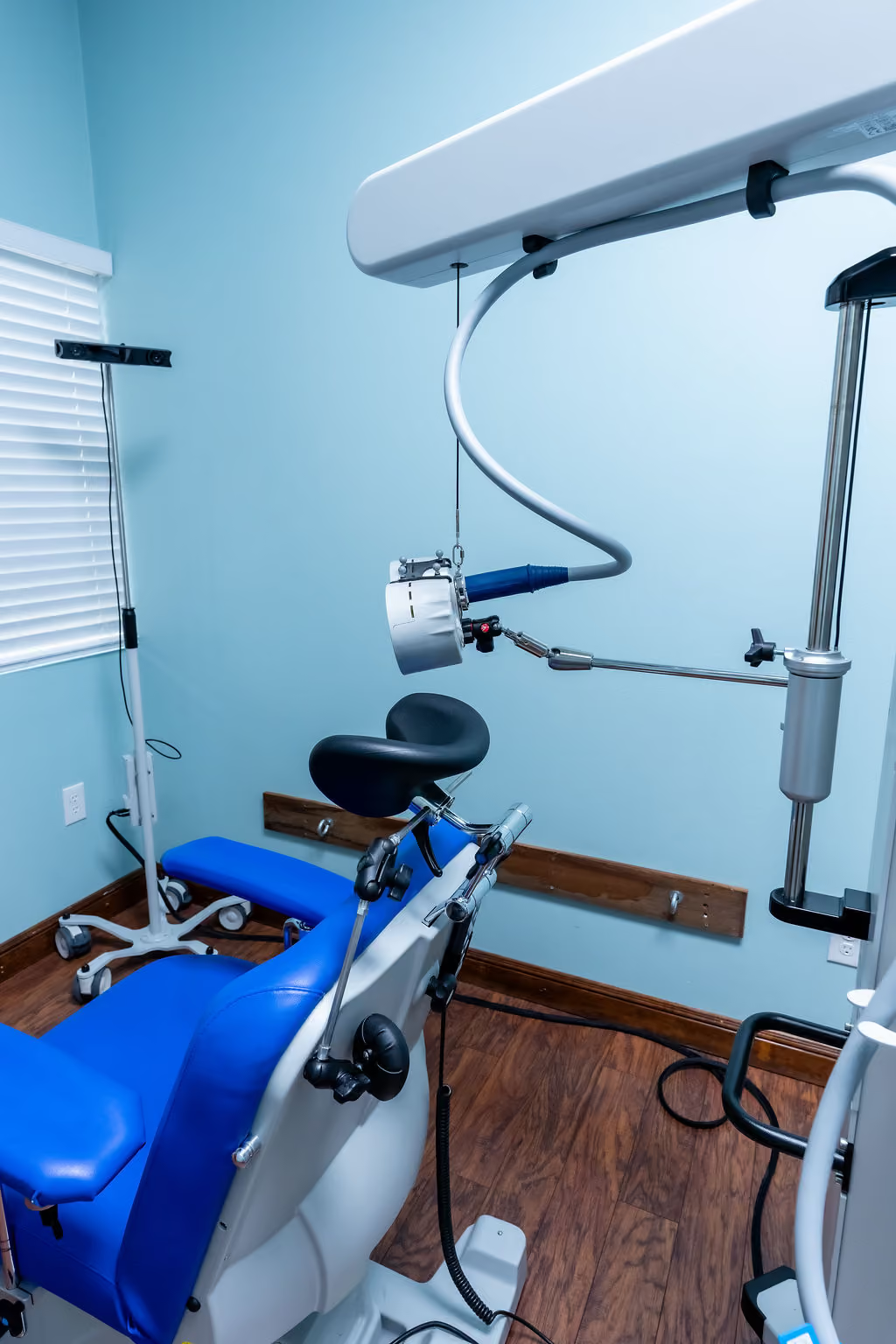
Transcranial Magnetic Stimulation (rTMS)
Focused pulses stimulate targeted brain areas and may help with mood, focus, or headaches that persist after injury.
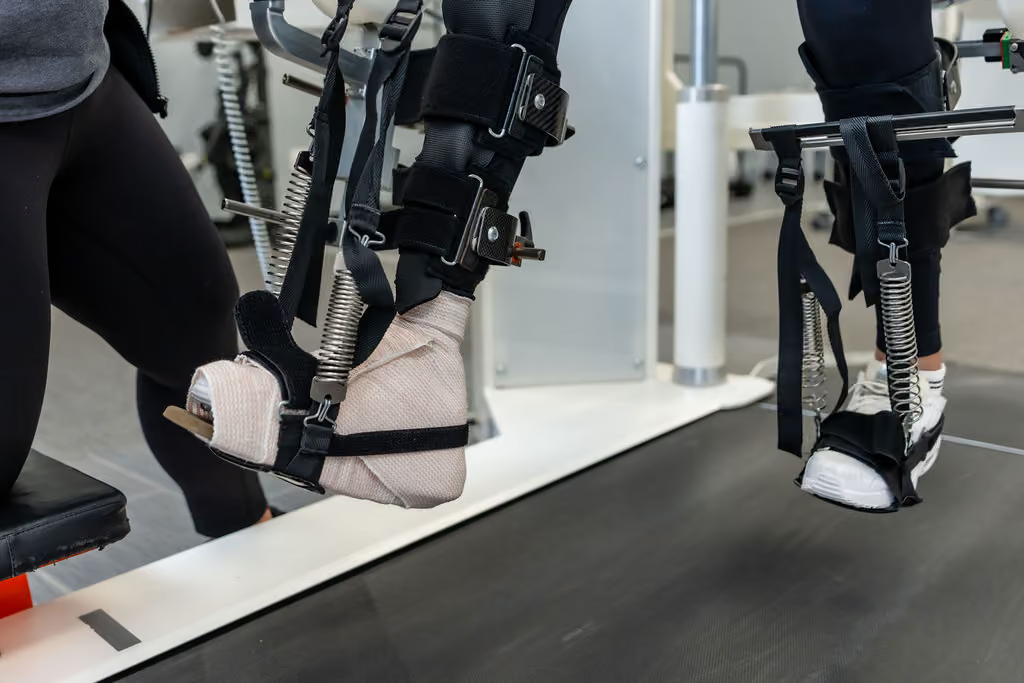
Movement Science & Rehabilitation
Vestibular, balance, and movement work for dizziness, unsteadiness, and getting back to exercise or sport.

Metabolic Optimization
Labs, nutrition, sleep, and other health factors that can influence your energy, healing, and response to treatment.
An honest look at fit and expectations.
You may be a good fit if
- Symptoms have lasted weeks or months after your injury
- You were told to give it time, but you are not getting better
- Headaches, dizziness, or brain fog still affect your day
- Your scans were normal but your symptoms are not
- You can commit to a structured plan with regular visits
- You are looking for next steps for someone you care for
What to realistically expect
- Progress is usually gradual and looks different for everyone
- Some symptoms may ease sooner than others
- We may ask you to pace activity while you recover
- We measure your progress so you can see what is changing
- We tell you plainly if something is not helping
- We work alongside your neurologist and primary care team
Common questions about brain injury and concussion.
My injury was months ago. Is it too late to get help?
It’s not too late to be evaluated. Many people look for care months or even years after a concussion or brain injury. Your assessment helps us understand what is driving your symptoms now and which goals are realistic to work toward.
My scans came back normal. Can you still help?
We can still evaluate you. Standard CT and MRI scans are designed to rule out bleeding or structural damage, and many concussion symptoms don’t show up on them. We focus on how you are functioning and what you experience day to day.
Will you work with my current doctors?
Yes. With your permission, we share findings and progress updates with your neurologist, primary care physician, and therapists. The goal is care that builds on what you have already done, not care that starts over.
Is brain injury care covered by insurance?
Coverage depends on your plan and on which services are part of your care. Some therapies are often covered, while others may not be. We review your options and costs with you before treatment begins, so you can decide with the numbers in front of you.
Do I need a referral from my doctor?
You can contact us directly to get started. If your insurance plan requires a referral for certain services, we will let you know early and help you coordinate with your physician so it does not hold up your care.