Pressurized oxygen, supervised at every session.
HBOT lets you breathe oxygen inside a carefully controlled pressurized chamber. It is FDA-cleared for specific conditions, such as non-healing wounds and carbon monoxide poisoning. Its use for neurological recovery is off-label, and your physician will explain the evidence and its limits for your condition.
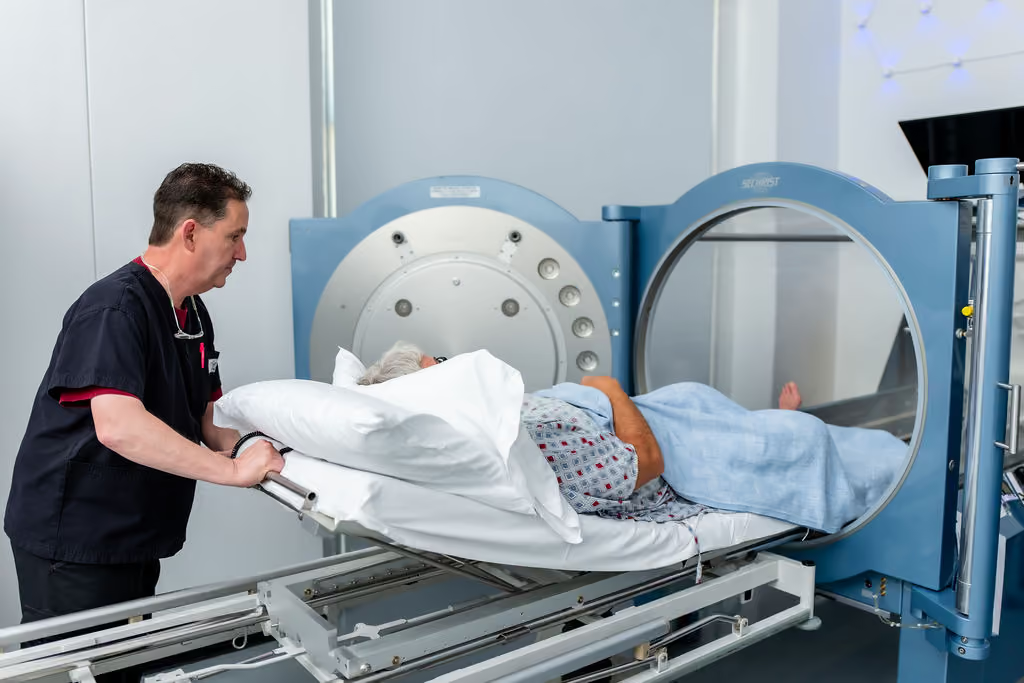
What your session looks like.
Each session takes place in a pressurized chamber while a trained team member watches over you. Your physician will explain how many sessions to expect and why.
- Session length
- 60–90 minutes
- What it feels like
- Gentle ear pressure, similar to a flight
- Afterward
- Return to your day as normal
- During treatment
- You can see and speak with your team
Why HBOT may be part of your care.
HBOT is not a stand-alone answer for every condition. When clinically appropriate, it can support the biological conditions your body needs for recovery.
Deliver more oxygen
Pressure allows more oxygen to dissolve into your blood, helping it reach tissues where circulation may be limited.
Support healing
Greater oxygen availability supports tissue repair, blood-vessel growth, and the body’s response to inflammation.
Strengthen a larger plan
When appropriate, HBOT works alongside rehabilitation and other therapies selected for your condition and goals.
You will know what is happening at every step.
The chamber may look unfamiliar, but the experience is calm, gradual, and closely supervised.
We check in
Before each session, we review how you are feeling and confirm that it is safe to proceed.
You get comfortable
You lie down inside the clear chamber. We explain how to communicate with us before treatment begins.
Pressure increases slowly
Your ears may pop as they would on a flight. We coach you through equalizing them and can slow or pause at any time.
You return to normal pressure
Pressure decreases gradually. Once the session is complete, we check how you feel before you leave.
A little preparation helps your session go smoothly.
Before you arrive
- Eat a light meal and take medications as directed by your care team
- Arrive without perfume, lotion, hair products, or makeup
- Leave electronics, lighters, and other restricted items outside the chamber
- Tell us before your visit if you have a cold, congestion, fever, or new symptoms
Your comfort and safety
- A trained team member monitors every session
- You can see and speak with us throughout treatment
- Pressure changes happen gradually, at a pace you can tolerate
- We can slow or stop the session if you feel uncomfortable
Common HBOT questions.
What if I feel claustrophobic?
The chamber is clear, so you can see the room and our team at all times. We stay in communication with you throughout the session and can slow or stop treatment if you become uncomfortable. Please tell us about claustrophobia before your first session so we can plan with you.
Does pressurization hurt?
Most people notice fullness or popping in their ears, similar to takeoff or landing in an airplane. We teach you simple ways to equalize the pressure, and we increase it gradually. Tell us immediately if you feel pain.
How many sessions will I need?
There is no single schedule for everyone. The number and frequency of sessions depend on the condition being treated, the protocol recommended by your clinician, and how you respond. We explain the proposed schedule before treatment begins.
Can I return to normal activities afterward?
Most people return to their usual activities after a session. Temporary fatigue or light-headedness can occur. We check how you feel before you leave and provide guidance based on your response.